

Theme for authorial creation: I DON’T KNOW
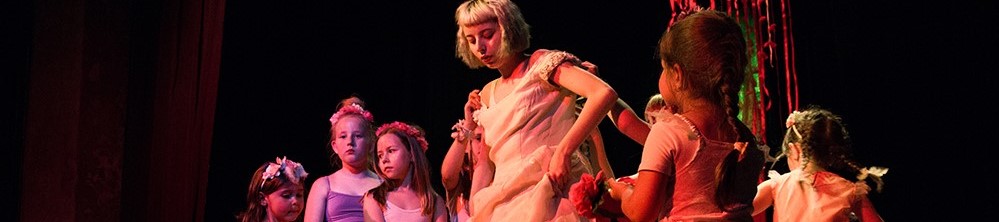
When I was looking for this year’s theme for our authorial work in the groups, I wrote down about seventy topics on my home board. I liked all of them, and I didn’t know which one to choose. Then, quite by chance, I came across the theme “I DON’T KNOW.” It came from a Facebook post about Janusz Korczak, the Polish doctor and educator who voluntarily chose to go with the children from the orphanage where he worked to their death in the gas chamber in Treblinka. He caught my attention. What kind of man was he? What led him to such an unimaginable act of generosity and sacrifice? I began to search. I borrowed books about him, as well as books he had written, and started reading. What struck me first was his lifelong attitude: “I don’t know.” In his writings, he laughed at himself for writing about child education while admitting that he does not truly know—that everything is only his personal experience. And this essential word, this theme, fascinated me. “I don’t know” stands in contrast to today’s certainty of “I know.” Yet “I don’t know” opens up a vast space for something to begin within a person. And what comes next? I don’t know.
Where are you going, TDS?
We wish, in addition to high-quality pedagogy, to create a platform for the creative projects of our children, young people, and alumni, and to open up opportunities for them to realise their ideas and creativity both within education and within theatre, culture, and artistic creation in general.
An inspiring thought / Janusz Korczak
“When I discover in a child a spark of the immortal flame that was stolen from the gods, when I discover in their thinking a flash of unwillingness to submit too easily, when I see the dignity of their anger, the surge of enthusiasm, the sadness of autumn, the sweetness of self-sacrifice, the timidity of their dignity, the way they search for their origin and their purpose—and when I see how this searching is filled with joy, trust, but also with provocation and testing, and yet at the same time listens to conscience—then I bow before them, I kneel, because I am not good enough, I am weak and cowardly. In your freely soaring flight I only get in the way. I am like a spider’s web tangling your colourful wings, as if I had scissors whose only task is to cut off vigorous shoots. I block your path, or I stand helplessly in place, mumbling, disturbing, concealing, hypocritically persuading—vague and ridiculous.” Janusz Korczak, How to Love a Child
Janusz Korczak was a Polish doctor, educator, teacher, writer, and director of a Jewish orphanage, who during the Holocaust chose to accompany the children in his care to the extermination camp in Treblinka.